
We Found Another Migraine Molecule? Here’s Why That Should Concern You
Dr. Brandon Brown aka The Migraine Doc

There’s a new word starting to show up in the migraine world.
PACAP.

If you’ve seen it mentioned recently, it’s probably being framed like this:
“Researchers have discovered a new migraine pathway.”
“PACAP may be responsible for migraine attacks.”
“This could be the next target for treatment.”
And if you’re like most people I talk to, your first thought is:
“Great… another thing wrong with me.”
But here’s the problem.
No one ever stops to explain what PACAP actually does in your body when things are working the way they’re supposed to.
And that’s where everything starts to get misunderstood.
The Pattern That Keeps Repeating
If you’ve been dealing with migraines for any length of time, you’ve seen this cycle before.
First it was serotonin.
Then it was CGRP.
Now it’s PACAP.
Every time a new molecule is discovered, the story sounds the same:
“This is the cause.”
“This is the breakthrough.”
“This is what we need to block.”
But here’s the truth most people never hear.
These molecules aren’t random problems.
They’re part of your body’s communication system.
So What Is PACAP, Really?
PACAP stands for Pituitary Adenylate Cyclase-Activating Polypeptide.
And yes, that sounds like something you’d skip over in a textbook.
But its role is actually simple when you strip it down.
PACAP is a regulatory messenger in your nervous system.
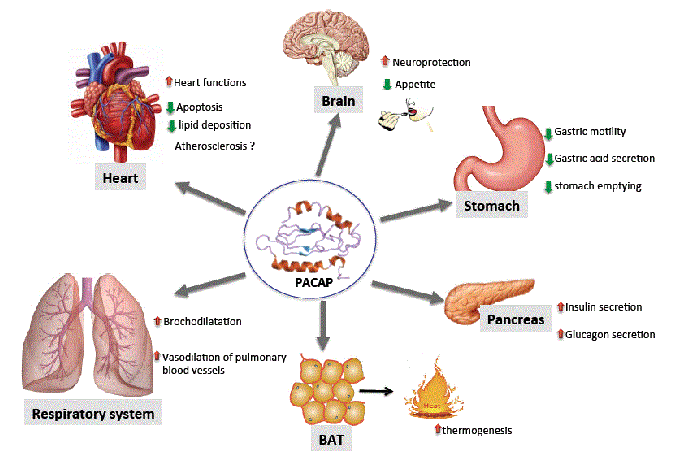
It helps your body:
Adapt to stress
Control blood flow
Protect brain cells
Regulate pain signals
Coordinate autonomic function
In other words, PACAP isn’t a villain.
It’s part of your body’s built-in protection and adaptation system.
Here’s a link to a PubMed Article defending PACAP for its neuroprotective benefits
What PACAP Is Supposed to Do
Let’s bring this out of textbook language and into real life.
When your system is functioning well, PACAP helps you:
Adjust to stress without crashing
Maintain steady blood flow to the brain
Recover from physical or emotional strain
Keep your nervous system balanced
Process pain signals appropriately
It’s constantly working in the background to keep things stable.
You don’t notice it when it’s doing its job.
And that’s exactly the point.
So Why Does It Show Up in Migraines?
This is where things get twisted.
Researchers have found that PACAP levels can increase during migraine attacks.
And instead of asking:
“Why is the body increasing PACAP?”
The conversation becomes:
“How do we block PACAP?”
That’s a completely different question.
And it leads to a completely different outcome.
The Better Question
Instead of treating PACAP like the problem, we should be asking:
Why is your body turning this system up in the first place?
Because PACAP doesn’t just randomly spike.
It responds to signals from higher-level control systems, especially:
The brainstem
The hypothalamus
The autonomic nervous system
If those systems are under stress or not functioning properly, PACAP ramps up as part of the response.
Not to hurt you.
But to try to regulate what’s going on.
When a Good System Gets Pushed Too Far
This is the part most people have never had explained to them.
PACAP is helpful when it’s working in balance.
But when your system is under constant stress or dysfunction, that same helpful response can become excessive.
Now you’re dealing with:
Overactive pain signaling
Increased sensitivity
Blood flow changes that don’t stabilize
A nervous system that won’t settle down
And suddenly PACAP gets blamed for the very thing it’s trying to manage.
The Thermostat Analogy
Think of PACAP like a thermostat in your house.

When everything is working properly, it keeps the temperature stable without you thinking about it.
But if the system it’s connected to is unstable, the thermostat starts working overtime.
Turning on.
Shutting off.
Overcorrecting.
Never quite settling.
The problem isn’t the thermostat.
It’s the system forcing it to constantly react.
What This Means for Migraine Sufferers
If you’ve tried medication after medication and still feel stuck, this is why.
The approach keeps focusing on blocking signals.
Instead of asking why those signals are being produced.
You don’t have a “PACAP problem.”
You have a system that is trying to regulate itself and not succeeding.
And until that system is addressed, the pattern doesn’t change.
It just gets relabeled.
Where This Connects to What I Do
This is exactly why I focus so heavily on the nervous system and the brainstem.
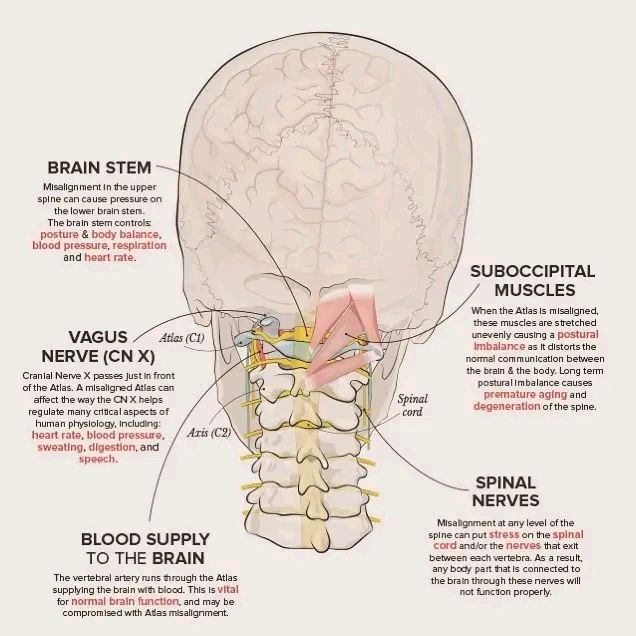
Because these chemical messengers don’t operate in isolation.
They are downstream of how your system is functioning as a whole.
If the control system is off, the chemistry will follow.
Not the other way around.
The Takeaway Most People Miss
PACAP isn’t something your body is doing to you.
It’s something your body is doing for you.
Even when it doesn’t feel like it.
And when you understand that, you stop chasing the next molecule…
And start asking better questions about the system itself.
If you’ve been stuck in the cycle of trying everything and still not getting answers, this is exactly what I help people work through.
If you need help you can schedule a 30 minute Virtual Migraine Mastermind session here: www.migrainemastermind.com
As I always say…
Fix your neck. Fix your life.
Be blessed,
Dr. Brandon Brown
The Migraine Doc & The Specific Chiropractic Centers of Richardson Tx
This post is for educational purposes only and is not medical advice. Always consult a licensed healthcare provider before making changes to your care or using cannabis, supplements, or new treatments.