
Why You’re Doing All the Right Things… But Still Have Migraines
The Migraine Doc (UCC)


You’ve cleaned up your diet. You drink water. You track your hormones, your sleep, your stress.
You’ve spent hundreds on supplements, massages, and even IV therapy.
And yet the migraines keep coming.
If that sounds like you, you’re not crazy. You’re not broken. And you’re definitely not alone.
Because most people with chronic migraines aren’t doing the wrong things — they’re just working on the wrong system.
The Part of the Body Everyone Misses
When people think about migraines, they think about the brain. But the real story starts at the cranio-cervical junction: the small, powerful area where your skull meets the top of your neck.
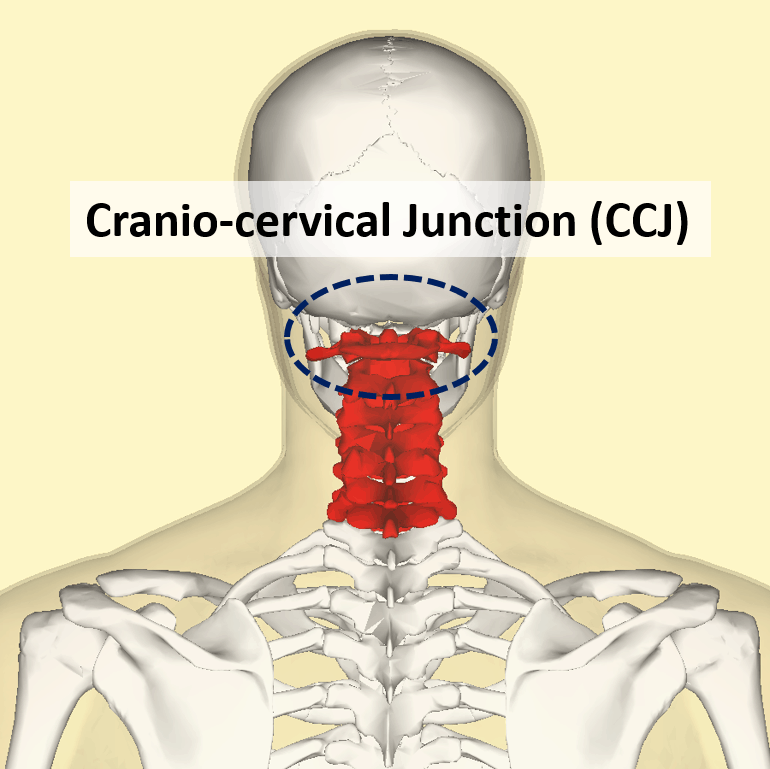
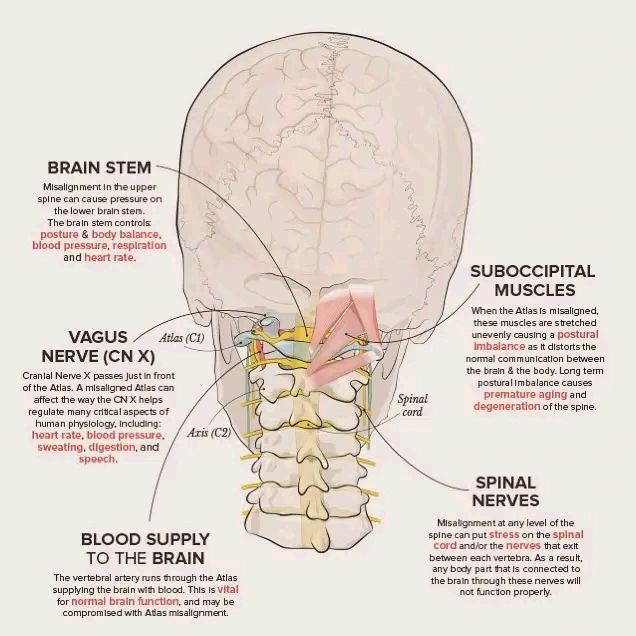
This area protects the brainstem, which controls your heart rate, blood pressure, pain response, and even how blood and fluid move through your brain.
If the bones at the top of your neck shift even slightly, it can interrupt that communication between your brain and body. That tiny disruption can change the way your brain regulates pressure, blood flow, and pain.
In simple terms: your body is working hard, but it’s following bad directions.
The Science That Proves It
A 2015 study published in Neurology Research International found that abnormal motion and pressure at the cranio-cervical junction can change cerebrospinal fluid flow and intracranial pressure — both key factors in migraine physiology. [Source]
Other imaging studies have shown that when the top neck bones (C1 and C2) are misaligned, blood drainage from the brain slows and pressure inside the skull increases, especially around the brainstem. This can trigger pain through the trigeminovascular system, the same pathway targeted by migraine medications like triptans and CGRP blockers. [Study reference]
So, if your brainstem is under constant pressure, your entire nervous system stays in a low-grade fight-or-flight state.
No supplement or pill can override that signal for long.
The Hidden Pattern I See Every Week
Almost every chronic migraine patient I see has one thing in common: they’ve already tried everything.
One woman I worked with came in after years of hormonal treatments, dietary protocols, and neurologist visits. She had done “all the right things,” but she was still having 20 migraine days a month.
When we ran Functional Nervous System Testing and Biomechanical Motion X-rays, her atlas had shifted just a few millimeters to the left. That small change was enough to affect how blood and cerebrospinal fluid moved through the brainstem.
After a precise upper cervical correction and post-adjustment recovery, her symptoms began to fade. By the end of her program, she was down to 3 mild headache days a month and for the first time in years, she could plan her week without fear of a migraine taking over her day.
Why This Approach Works
Most migraine treatments chase chemistry: medication, hormones, neurotransmitters.
But the nervous system runs on signals that go into the brain and back out to parts of the body.
One of the big places it can be impacted is based on the structure that your nervous system lives in, the spine.
But the most important area in my opinion is at the cranio-cervical junction.
When the structure that protects the brainstem is off, the signals that regulate blood flow and pain can get scrambled and hyperactive.
Once we correct the biomechanics and allow the nervous system to get out of hypervigilance, your body starts doing what it was designed to do: heal.

This is why my process, the Migraine Relief Blueprint, focuses on:
Functional Nervous System Testing to measure brainstem performance
Biomechanical Motion X-rays to see how your neck moves in real life, not just in still images
Precise Upper Cervical Corrections that restore alignment without twisting or cracking
Nervous System Recovery with rest and vagus-nerve-based exercises
The goal isn’t constant adjustments, it’s all about stability.
Because when your brain and body start communicating again, everything else you’re already doing finally works.
The Missing Link Between Effort and Results
You’re not failing. You’re just optimizing the wrong part of the system.
If the cranio-cervical junction is out of balance, your nervous system can’t regulate blood flow, hormones, digestion, or even sleep the way it should.
It’s like trying to fix a flooded basement while the leak upstairs keeps pouring in.
When we fix the leak, the pressure and dysfunction at the top of the neck, your body finally has a chance to catch up.
And that’s when healing starts to stick.
Now, Here’s What To Do Next
If you’ve been doing “everything right” but still fighting migraines week after week, it’s time to stop guessing and start measuring.
Here’s the truth: relief isn’t about doing more. It’s about finally doing what matters most.
During a Migraine Mastermind Call, we’ll take 30 minutes to break down your entire health picture and map out your personalized Migraine Optimization Plan, step by step.
You’ll discover:
✅ What your current symptoms reveal about your brainstem and nervous system
✅ Whether your upper neck could be the hidden driver behind your migraines
✅ The exact next step you can take to start feeling better, immediately
This call isn’t about guessing, selling supplements, or pushing more meds. It’s about clarity.
Because once you understand your nervous system, you’ll finally know why the things you’ve been doing haven’t worked, and how you may be able to correct it.
If that sounds like what you’ve been searching for, don’t wait.
Every week that passes is another week your nervous system keeps fighting itself.
👉 Click here to book your Migraine Mastermind Call
Let’s make your next 30 minutes the moment everything starts to change.
As I always say
Fix your neck. Fix your life.
Be blessed,
Dr. Brandon Brown
The Migraine Doc & The Specific Chiropractic Centers of Richardson TX
Disclaimer
This post is for educational purposes only and is not medical advice. Always consult a licensed healthcare provider before making changes to your care or using cannabis, supplements, or new treatments.